
Add a blog post title
CCC Admin Admin • April 15, 2019
Add a blog and update it regularly. It's a great way to stay in touch with site visitors.

Add a blog and update it regularly. It's a great way to stay in touch with site visitors.
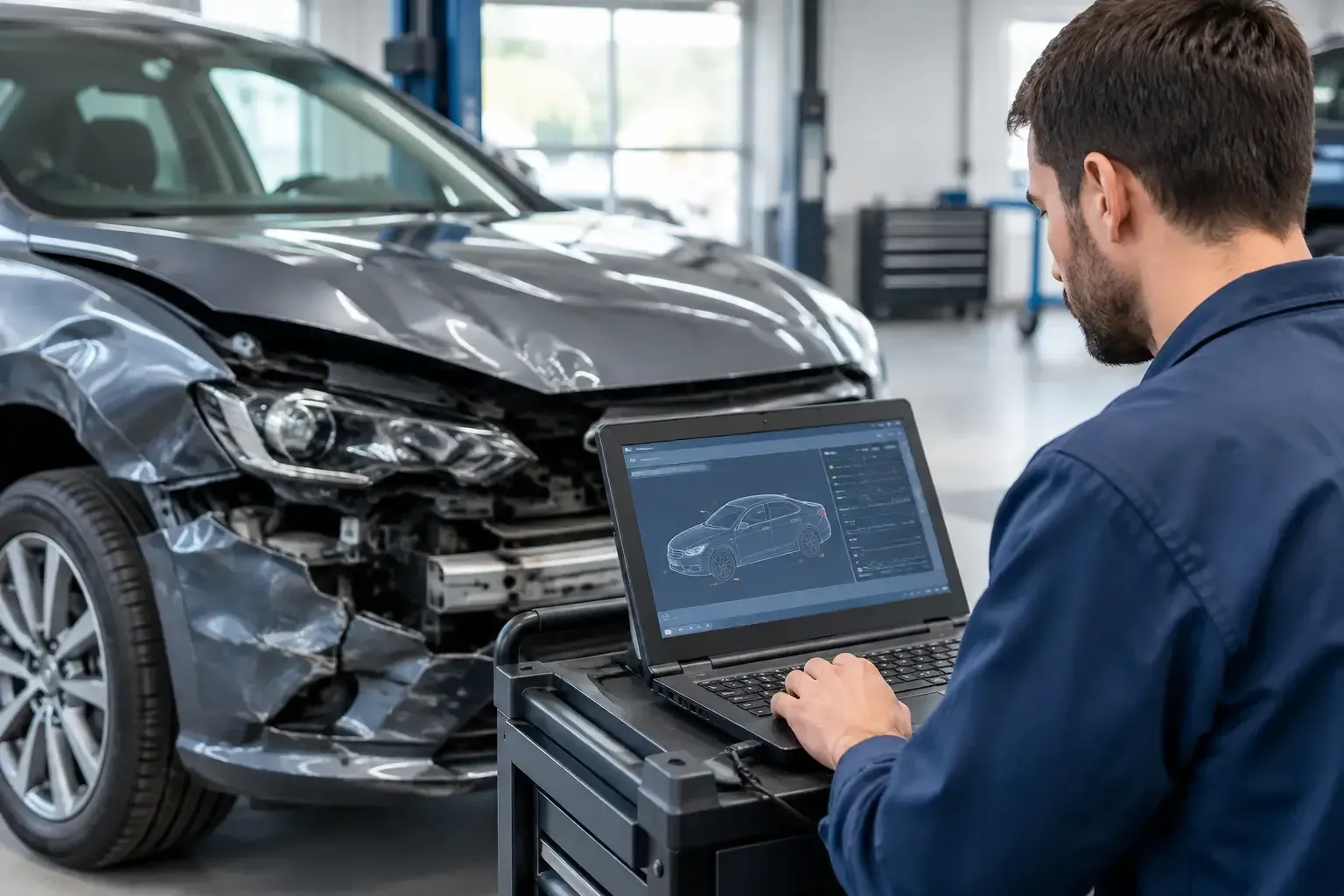
A bumper can look perfect after a collision and still leave an important job unfinished. Many late-model vehicles rely on cameras, radar sensors, and other advanced driver-assistance systems to help with braking, lane awareness, parking, and blind-spot monitoring. If those systems are even slightly out of position, they may not respond as the manufacturer intended. That is why car calibration after accident repairs has become part of a proper collision repair process. Calibration confirms that certain vehicle safety systems can accurately read the road again after damage, parts replacement, or repairs that affect their position. It is not an optional cosmetic add-on. When a vehicle calls for it, it is part of restoring safe operation. What car calibration after an accident means Vehicle calibration is the process of checking, aiming, and electronically resetting sensors and cameras to manufacturer specifications. Depending on the vehicle, these components may support automatic emergency braking, adaptive cruise control, forward-collision alerts, lane-keeping assistance, parking assistance, rear cross-traffic alerts, and blind-spot detection. These systems rely on precise measurements. A forward-facing camera behind the windshield needs to see the road at the correct angle. Radar units mounted behind a bumper cover need to point exactly where the vehicle manufacturer designed them to point. A small shift caused by an impact, a replacement bumper, or a changed ride height can affect that accuracy. Calibration does not mean a vehicle was repaired poorly. In many cases, it is required because the repair was performed correctly. Replacing a windshield, removing a bumper cover, repairing suspension components, or correcting frame and body damage may all trigger manufacturer calibration procedures. Why minor damage can require major attention The amount of visible damage does not always tell the whole story. A low-speed parking-lot impact may crack a bumper cover, loosen a sensor bracket, or shift a radar unit without causing obvious mechanical problems. Likewise, a windshield replacement can affect the camera mounted near the rearview mirror, even when the rest of the vehicle was untouched. Modern bumpers are more than painted panels. They often house radar sensors, cameras, wiring, absorbers, brackets, and parking sensors. That is why a repair plan should account for the equipment behind the surface, not just the dent or scrape that brought the vehicle into the shop. A warning light or message on the dashboard is a clear reason to inspect the system, but its absence does not guarantee that calibration is unnecessary. Some systems may not identify an aiming issue until a specific condition occurs on the road. Following the vehicle manufacturer's repair procedures is the dependable way to determine what is needed. Repairs that commonly lead to calibration A repair facility reviews the damage, vehicle equipment, and manufacturer procedures before deciding whether calibration is needed. Common situations include bumper repair or replacement, windshield replacement, wheel alignment after collision damage, suspension or steering repairs, airbag deployment, and structural repairs. Calibration may also be required after replacing a side mirror with a blind-spot sensor, repairing a grille that contains a forward radar unit, or correcting a vehicle's ride height. The need depends on the make, model, year, trim level, installed options, and the exact work performed. Two similar-looking vehicles may have very different requirements. This is one reason estimates can change as a repair moves forward. Once a damaged part is removed, hidden damage may be found. A thorough shop documents that finding, explains the repair need, and works with the insurance process rather than skipping a safety-related step to keep an estimate artificially low. Static and dynamic calibration: what is the difference? Most vehicles use one or both of two calibration methods. Static calibration is performed in a controlled shop setting. The technician positions the vehicle on a level surface and uses precise targets, scan tools, and measurements to reset a camera or sensor. Dynamic calibration requires the vehicle to be driven under specified conditions while a scan tool communicates with its systems. The manufacturer may require a certain speed range, marked lanes, suitable weather, or a set amount of driving time. Some vehicles require static calibration first and a road-based dynamic calibration afterward. Neither method is better in every circumstance. The correct approach is the one specified for that vehicle and repair. A proper calibration process also includes verifying that there are no related fault codes, that alignment and tire condition are within requirements when applicable, and that the procedure completed successfully. Calibration is not the same as a wheel alignment Wheel alignment and ADAS calibration are related in some repairs, but they are different services. An alignment adjusts wheel angles so the vehicle tracks properly, handles predictably, and avoids unnecessary tire wear. Calibration aims cameras and sensors so driver-assistance features interpret their surroundings correctly. After a collision, a vehicle may need one service, both, or neither. For example, a front-end impact that affects steering or suspension can require an alignment before camera or radar calibration. If the wheels are not pointed correctly, the safety system may not calibrate accurately. A repair plan should address the vehicle in the proper order instead of treating these steps as interchangeable. What the repair process should look like After an accident, the first priority is safety. If the vehicle is not safe to drive, arranging towing protects both the vehicle and everyone on the road. From there, the repair process should be clear: assess visible and hidden damage, prepare an estimate, coordinate with the insurer when applicable, complete approved repairs, and perform required scans, alignment, and calibrations before delivery. At Collision Craftsmen, the goal is to make that process easier to follow. Customers should understand why a procedure is recommended, what part of the vehicle it affects, and how it fits into the larger repair. Clear updates matter, especially when parts availability, supplemental damage, or insurer authorization changes the timeline. Before pickup, ask whether your vehicle required calibration and whether the work was completed and documented. It is also reasonable to ask if any driver-assistance warning messages remain, whether a road test was performed, and what features you should expect to work normally. A professional shop should welcome those questions. What insurance may cover When calibration is required as part of accident-related repairs, it is commonly included in the collision claim, subject to the details of the policy, deductible, and insurer review. The repair facility can provide documentation showing why the operation is necessary and how it relates to the loss. Insurance claims can feel complicated because the initial estimate is often only the starting point. Hidden damage and manufacturer-required procedures may appear after disassembly or after a replacement part is identified. That does not automatically mean the repair is excessive. It means the shop and insurer need to review the newly documented repair need. The important point for drivers is not to approve or decline calibration based solely on whether it appears as a separate line on an estimate. Ask what system is being calibrated, why the manufacturer calls for it, and whether it is connected to the collision repair. Good information makes the decision less stressful. Do not ignore changes in safety-system behavior After you get your vehicle back, pay attention to dashboard alerts, messages stating that a camera or sensor is blocked, and driver-assistance features that behave differently than before. A warning may be caused by rain, snow, dirt, or road conditions, but it should not be dismissed if it remains after the vehicle is clean and conditions improve. Avoid trying to test automatic braking or collision-warning systems on your own. These features are assistance systems, not substitutes for attentive driving, and forcing a test can create a dangerous situation. If something feels off, contact the repair facility so the concern can be inspected properly. Your vehicle should leave a collision repair shop looking right, driving right, and with required safety systems addressed according to the repair plan. That extra care may not be visible from the driver's seat, but it is the kind of craftsmanship that matters every time you head down the road.
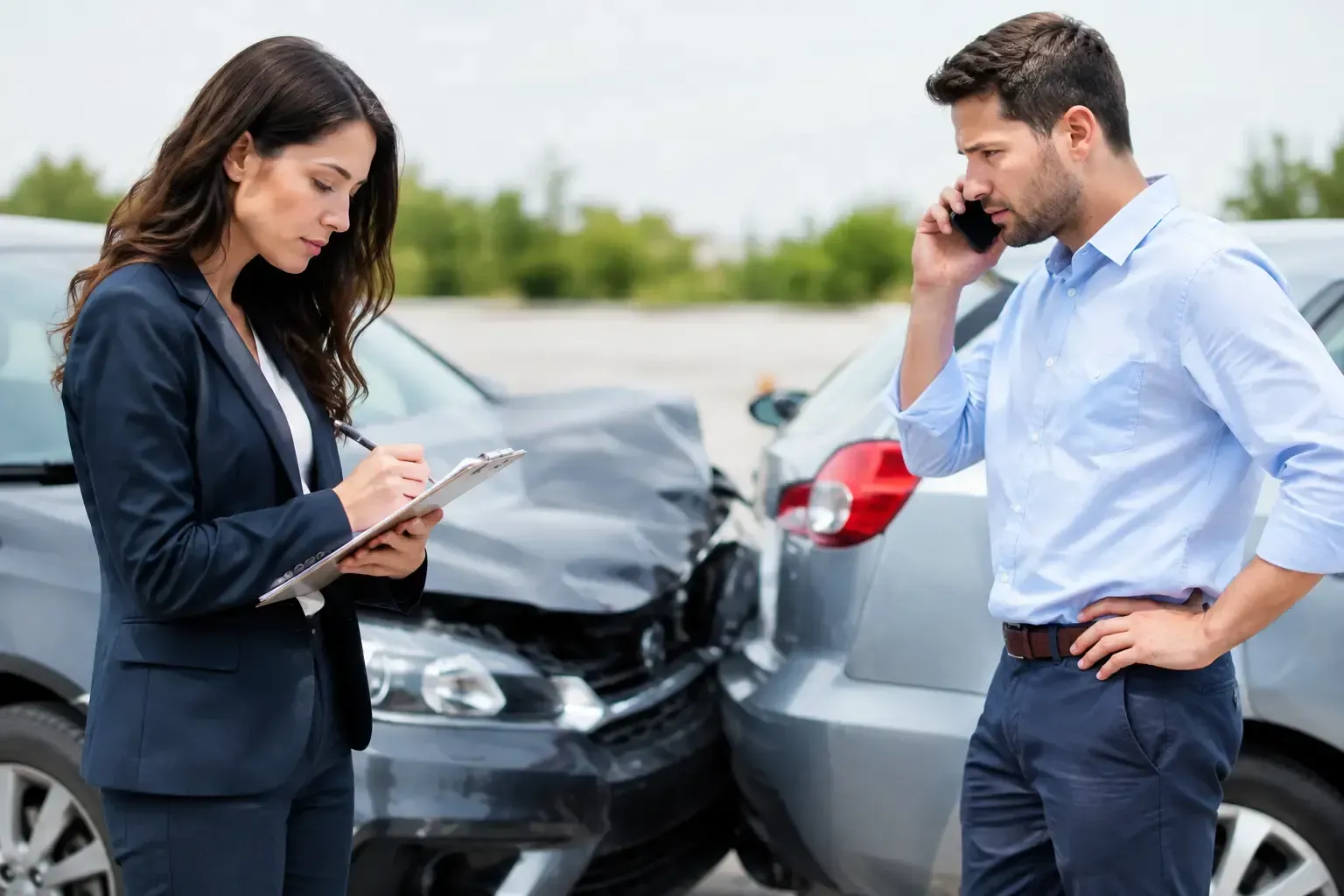
The collision may last seconds, but the questions start immediately: Is the vehicle safe to drive? Should you call your insurer? What happens if the estimate is more than expected? Reliable insurance claim assistance gives you a clear path through those decisions, so you can focus on getting your vehicle and your routine back on track. For South Shore drivers, an accident can disrupt work commutes, school drop-offs, family plans, and everything in between. The claim process should support the repair, not become another source of stress. A qualified repair facility can help document damage, prepare an accurate estimate, communicate with the insurer, and keep you informed while the work moves forward. Start With Safety and Good Documentation Before a claim is ever discussed, make sure everyone is safe. Move to a safe location if possible, call emergency services when needed, and do not drive a vehicle that has visible fluid leaks, steering trouble, damaged lights, a deployed airbag, or body damage that rubs against a tire. What looks like a minor bumper impact can affect mounting points, sensors, cooling components, or wheel alignment. If the vehicle cannot be driven safely, towing is the right first step. Trying to make it home can turn accident damage into a larger mechanical problem. It can also create a safety risk for you and other drivers. At the scene, gather the information that will make the next steps easier. Take photos of all vehicles, license plates, the overall scene, and close-ups of the damage. Exchange insurance and contact information with the other driver, and keep the police report number if law enforcement responds. Write down the date, time, location, and a simple account of what happened while it is still fresh. Photos are useful, but they do not replace a professional inspection. Modern vehicles often have damage behind the bumper cover or beneath exterior panels that cannot be seen from the road. When to Contact Your Insurance Company If another vehicle, property, or injury is involved, report the incident to your insurer promptly. Your policy may have notice requirements, and an early report starts the claim file. You will typically receive a claim number and the contact information for the assigned adjuster or claims representative. For a small single-vehicle incident, such as a scrape against a post, the choice can be less straightforward. Whether filing makes sense depends on the estimated repair cost, your deductible, your coverage, and your personal circumstances. A free repair estimate can give you the information needed to make a practical decision before you move ahead with repairs. Be accurate and straightforward when speaking with your insurer. Describe what you know, provide requested documentation, and avoid guessing about damage or fault. If an insurer has questions about repair procedures, the repair facility can often provide photographs, measurements, diagnostic results, and a detailed explanation of the work required. What Insurance Claim Assistance Should Include Insurance claim assistance is not a promise that a shop can control your coverage, deductible, or final claim payment. Those decisions remain with the insurer and are based on your policy and the facts of the loss. Good assistance does mean you should not have to translate repair terminology or manage every document alone. A customer-focused shop can help organize the practical side of the claim. That may include preparing an itemized estimate, submitting photos and supporting documentation, communicating with the adjuster about repair-related questions, and explaining what is happening in plain language. The goal is to make sure the approved repair reflects the damage that is actually present. At Collision Craftsmen, this support is part of a repair process built around clear estimates, direct communication, and quality workmanship. Customers should understand what their vehicle needs, what the insurer has approved, and what to expect next. The First Estimate Is a Starting Point An insurer estimate or initial shop estimate is often prepared before the vehicle is disassembled. It reflects the damage visible at that point. Once technicians remove a damaged bumper, fender, door panel, or other part, they may find broken brackets, hidden structural damage, damaged wiring, or sensor issues. When that happens, the repairer documents the additional damage and submits a supplement for insurer review. This is a normal part of collision repair, not automatically a sign that someone made a mistake. The alternative would be to ignore damage that affects fit, safety systems, corrosion protection, or the vehicle's appearance. Supplement timing varies. Some approvals are quick, while others require additional photos, records, or an insurer inspection. Clear communication matters most during this stage. You should know when additional damage has been found, how it may affect the schedule, and whether there is anything you need to authorize or provide. A Proper Repair Is More Than New Parts and Paint After an accident, it is understandable to focus on what you can see: the dented door, cracked bumper, scratched paint, or broken glass. Those concerns matter, especially for protecting resale value and keeping your vehicle looking cared for. But a proper collision repair also addresses the systems behind the visible damage. Depending on the impact, that can include structural measurement, suspension inspection, mechanical repairs, wheel alignment, diagnostic scanning, windshield replacement, or calibration of driver-assistance features. Cameras, radar sensors, blind-spot monitoring, parking sensors, and other safety systems may need specific procedures after a collision or windshield replacement. Repair decisions should be based on the vehicle's condition and manufacturer procedures, not simply on the fastest way to make damage less noticeable. A repaired panel must fit correctly. Paint work must blend properly. Safety-related components must function as intended. These details are where craftsmanship and accountability matter. There can be legitimate options in parts selection, depending on the vehicle, the insurer's estimate, and available parts. Ask the shop to explain the options if you have questions about original equipment, recycled, aftermarket, or reconditioned parts. The right choice depends on the repair area, the vehicle's age and condition, part availability, and the standards needed for a safe, lasting result. Keep the Claim Moving Without Losing Control The fastest repair is not always the best repair. Parts availability, hidden damage, paint curing, calibration requirements, and insurer approvals can all affect the schedule. A responsible facility should set realistic expectations rather than offering a date it cannot support. You can help the process by staying reachable, providing the claim number and adjuster contact information, reviewing updates promptly, and asking questions when something is unclear. Keep copies of your estimate, repair authorization , rental paperwork, and any messages related to the claim. A simple record makes it easier to resolve questions later. It is also reasonable to ask how repair-status updates will be handled. Some customers want a call at key milestones, while others prefer text or email updates. What matters is knowing whether the vehicle is awaiting approval, parts, repairs, paint, calibration, or final quality checks. Questions to Ask Before Authorizing Repairs A good repair partner welcomes clear questions. Before work begins, ask whether the vehicle is safe to drive, whether towing is recommended, and what damage is visible so far. Ask how the shop will handle communication with the insurer and how you will be notified if a supplement is needed. You should also ask about the repair timeline, the parts being used, and warranty coverage for the work performed. A lifetime workmanship warranty, held for as long as you own the vehicle, offers meaningful confidence because it reflects a shop's willingness to stand behind its repairs after you leave the facility. Finally, ask what happens before delivery. A complete repair should include quality checks that match the work performed. That may mean checking panel fit and finish, confirming paint appearance, road-testing when appropriate, verifying diagnostics, or completing required vehicle calibration. The Goal Is a Safe, Confident Return to the Road A claim is paperwork. Your vehicle is what carries you to work, home, appointments, and the people who rely on you. The right repair process respects that difference by pairing honest communication with careful technical work. If you have been in an accident, start with safety, collect the facts, and get a professional assessment before making assumptions about the damage. With clear information and steady support, you can make the next decision with confidence and get back on the road safely.