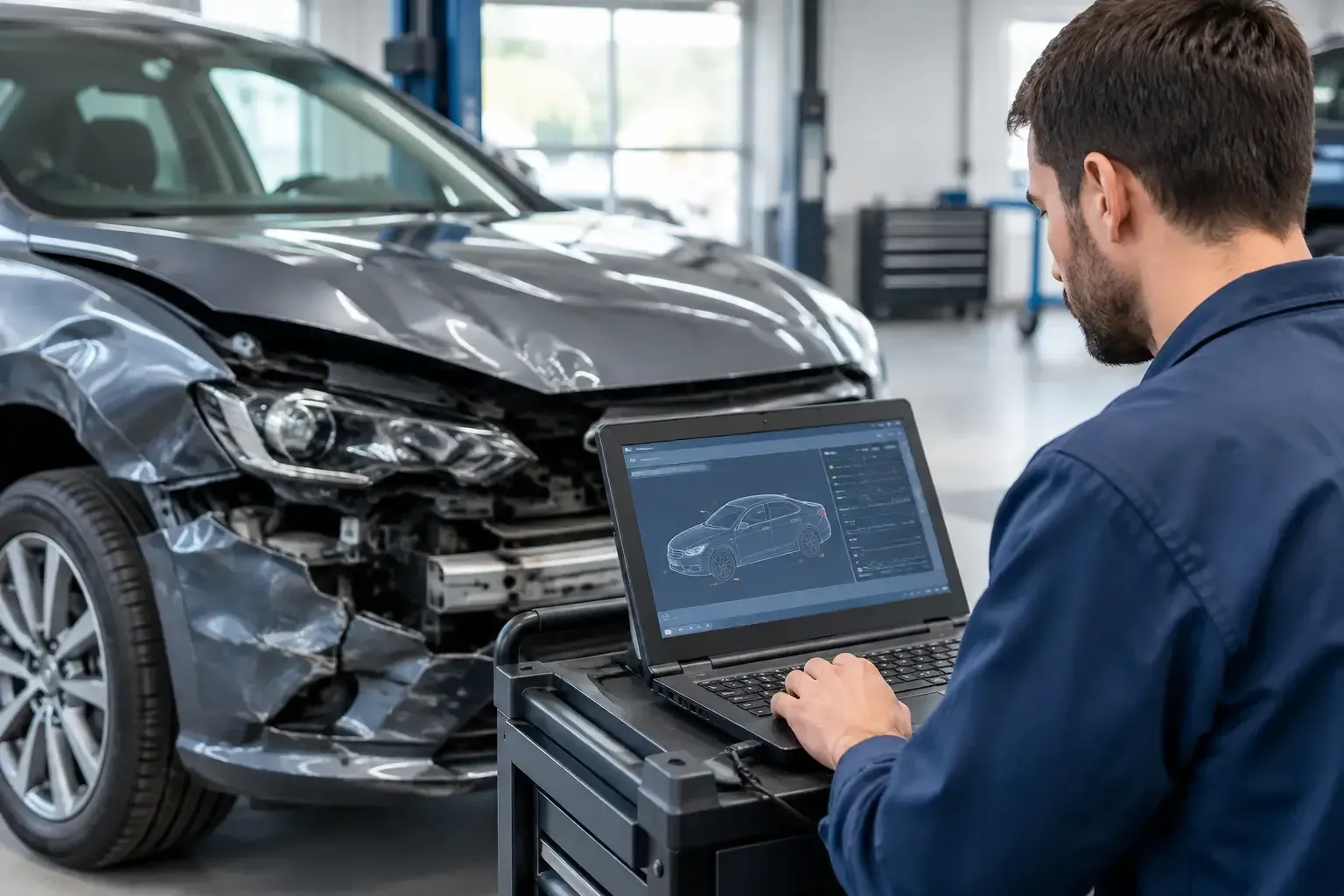
What Free Estimates Should Include
After an accident, the first question is often simple: What will this cost to fix? Free auto body estimates give you a clear starting point without adding another bill to an already stressful situation. A useful estimate should do more than attach a number to visible dents. It should help you understand the damage, your repair options, and the safest next step for your vehicle.
For South Shore drivers, an estimate is also an opportunity to work with a repair partner who can explain the process in plain language. Whether your vehicle has bumper damage from a parking lot impact or needs more extensive collision repair, a careful assessment helps protect your safety, your vehicle's value, and your confidence in the repairs ahead.
What a Free Auto Body Estimate Is Designed to Do
An auto body estimate is a professional assessment of the damage that can be seen and documented before repairs begin. The estimator examines affected panels, paint, lights, glass, bumpers, and other visible components, then prepares an outline of the labor, parts, materials, and repair operations that may be needed.
It is not a rushed guess from across the parking lot. A proper estimate should reflect the condition of the vehicle, the location and extent of the impact, and the manufacturer's repair requirements where they apply. It also gives you a record to use when speaking with your insurance company.
For minor cosmetic damage, the estimate may be fairly straightforward. A small door ding, scuffed bumper cover, or paint scratch can often be evaluated quickly. Collision damage is different. A low-speed impact may look limited on the surface while damaging brackets, sensors, absorbers, mounting points, or parts behind the bumper. That is why a trustworthy shop explains what is known at the estimate stage and what may only be confirmed after disassembly.
What Your Estimate Should Include
A clear estimate gives you more than a total. It should identify the affected areas of the vehicle and describe the recommended repair work in terms you can follow. You should be able to see whether a panel is expected to be repaired or replaced, whether refinishing is needed, and whether related components require inspection.
Most complete estimates address four main areas:
- Labor operations, such as body repair, frame or structural measurement, paint preparation, refinishing, mechanical work, or glass replacement.
- Parts and materials, including original equipment, aftermarket, recycled, or reconditioned options when appropriate and available.
- Safety-related procedures, such as diagnostic scans, wheel alignment checks, or calibration of driver-assistance systems.
- Known limitations, including the possibility of additional damage that cannot be seen until parts are removed.
The language may include industry terms, but the person preparing the estimate should be willing to translate them. If a line item is unclear, ask what it does, why it is recommended, and whether it is related to safety, appearance, or proper fit and finish.
A transparent estimate also separates confirmed damage from likely additional work. That distinction matters. No responsible repair facility should promise a final figure before hidden damage can be assessed, particularly after an impact involving a bumper, wheel, suspension, or side body structure.
Why paint and panel work require close inspection
Paint repair is rarely just a matter of matching a color code and spraying one damaged spot. Modern finishes can fade over time, and metallic or pearl colors may require blending into adjacent panels for an even appearance. The estimate should account for the preparation required to achieve a durable finish, not simply the quickest visible fix.
Similarly, paintless dent repair can be an excellent solution when the paint remains intact and the dent is accessible from behind the panel. It may not be the right choice if the metal is sharply creased, the panel is stretched, or the damage sits near a reinforced edge. An estimate should explain the best repair method for the actual damage rather than steering every dent toward a single service.
An Estimate Is Not Always the Final Repair Cost
This is one of the most important parts of the process. An initial estimate is based on visible damage. Once repair work begins, technicians may find broken retainers, damaged wiring, concealed structural damage, or safety components that need replacement. On newer vehicles, even a minor collision can affect cameras, radar units, parking sensors, or other advanced driver-assistance systems.
When additional damage is found, the repair facility documents it and submits a supplement to the insurer when a claim is involved. A supplement is not automatically a sign that the shop made a mistake. It is often the proper way to account for damage that could not be verified without removing parts.
The key is communication. You should be informed when new damage is discovered, what it means for the repair, and whether it may affect timing. A shop that keeps you updated helps prevent the frustration of learning about changes only when you arrive to pick up your vehicle.
Insurance Estimates and Your Right to Choose a Repair Shop
An insurance company may prepare its own estimate or direct you to a photo-estimating process. That can be helpful for opening a claim, but it does not replace a full repair inspection. Photos can show a cracked bumper or dented fender, but they cannot always reveal what is behind those components.
You have the right to choose the repair facility that works on your vehicle. The best choice is not necessarily the first estimate you receive or the lowest initial number. Look for a shop that can perform the needed work properly, communicate with the insurer, and stand behind its workmanship.
A good repair partner can help organize claim documentation, communicate with the adjuster, and submit necessary supplements. This does not mean every decision is automatic or that every policy provides the same coverage. Your deductible, rental coverage, parts provisions, and insurer requirements depend on your policy. Still, experienced claim assistance can remove much of the administrative burden while you focus on getting your routine back on track.
How to Prepare for a Free Auto Body Estimate
You do not need automotive expertise before visiting a body shop. A little preparation can make the appointment more productive, though. Bring your insurance claim number if you have already opened a claim, along with the insurer's contact information and any photos taken at the scene.
Tell the estimator about anything you noticed after the accident, even if it seems unrelated. A steering wheel that sits off-center, a warning light, an unusual vibration, a door that no longer closes correctly, or a camera display that has stopped working can all be relevant. Mention prior damage as well, since it helps distinguish accident-related repairs from existing wear.
If the vehicle is not safe to drive, do not take chances to get it to an appointment. Towing is the right option when there is fluid leakage, tire or wheel damage, deployed airbags, impaired visibility, loose body panels, steering concerns, or any question about road safety.
Questions Worth Asking Before Repairs Begin
An estimate appointment should leave you better informed, not pressured. Ask whether the vehicle needs a diagnostic scan or calibration after repair, how hidden damage will be handled, and how often you will receive status updates. It is also reasonable to ask about expected repair timing, although any timeline should remain flexible until disassembly and parts availability are known.
Ask what warranty applies to the workmanship. A repair warranty demonstrates that the facility takes accountability for its work after the vehicle leaves the lot. Collision Craftsmen backs its workmanship with a lifetime warranty for as long as you own the vehicle, reflecting the kind of long-term responsibility drivers should expect from a local repair shop.
It is also helpful to ask whether needed services can be handled in one place. Collision repairs can involve mechanical diagnosis, wheel alignment, vehicle glass, detailing, and calibrations. Coordinating those needs through one facility can reduce delays and help ensure the completed repair addresses the whole vehicle rather than only the most visible damage.
The Goal Is a Safe, Complete Repair
The purpose of an estimate is not to produce the smallest possible number. It is to create an honest plan for returning your vehicle to its proper condition. That includes appearance, but it also includes fit, function, safety systems, drivability, and confidence behind the wheel.
If you need an estimate after an accident or have damage you have been putting off, bring the vehicle in for a careful review. Clear answers at the beginning can make every step afterward feel more manageable - and help you get back on the road safely.